Jeanne Currie and I spent the first week of May in beautiful Boise at a series of excellent conferences. The first half of the week was dedicated to the Northwest Energy Efficiency Alliance’s Efficiency Exchange (EFX), which gathered over 500 regional and national attendees from public and private utilities, consulting and research firms, government and nonprofits together to help the region achieve its energy efficiency goals.
Jeanne and our colleague, Poppy Storm of 2050 Institute, shared the SCALE 2030 Roadmap at a lunch roundtable and Poppy spoke on a panel designed to help small building owners scale energy upgrades in the Northwest. EFX is always a terrific conference, and this year was no exception.
We then spent the second half of the week at the Northwest Energy Coalition’s Northwest Transmission Summit, which brought together 130 clean energy advocates, utility representatives, electricity grid experts, and transmission developers from all four Northwest states to learn about and debate the region’s challenges with developing the transmission needed to meet soaring electricity demand.
All panels were excellent and explored the history of regional transmission; opportunities to expand the transmission system; community and environmental impacts and siting; regional planning and coordination; costs and benefits determination and allocation; and workforce, construction, and supply chain challenges. All slides are available here and you can read NWEC Communications Manager Sara Burleson’s summary of the event.
Jeanne and I are working on a Washington transmission brief that we will release sometime this summer, so this summit was hugely beneficial – not only the rich content, but also the opportunity to connect with so many colleagues engaged in this critically important arena.
On the CETI front, the ED Search process to replace me is going extremely well with a strong candidate pool. We anticipate announcing CETI’s new leader sometime this summer. In other CETI Team news, we are pleased to welcome Aiko Chang who will intern with us for six weeks starting today! See below for more details about Aiko.
Until next month,
Eileen V. Quigley
Executive Director
Our SCALE 2030 project hit an exciting milestone this month with the launch of the SCALE 2030: Clean Buildings Roadmap for Washington (the Roadmap), which lives on a brand-new SCALE 2030 website. Research Analyst Jeanne Currie has written a helpful blog that highlights five key Roadmap recommendations.
The Roadmap focuses on structural changes and strategic investments that the state can make in the next five years to create the regulatory and market conditions needed to deliver a clean buildings transition in Washington state. The website also features information about the SCALE 2030 project and the Ecosystem Assessment and Transition Framework papers we published in May 2025.
Join us for a webinar on June 2 at 2pm PT during which Jeanne and 2050 Institute Founder Poppy Storm will walk through the levers and actions that the Roadmap identifies as critical to scaling building decarbonization in Washington.
This webinar is for policymakers, advocates, regulators, utilities, program managers, service providers, building owners and tenants, and anyone interested in how Washington can use clean buildings to save energy and money, respond to grid stress, ensure healthy indoor environments for Washingtonians, and advance the state's economy.
CETI released our 2025 Impact Report at the beginning of May. The report details last year’s programmatic work, from the Oregon Energy Strategy to supporting Washington’s Comprehensive Climate Action Plan (CCAP), diving deep into building decarbonization, examining community-scale solar, and so much more. We had such a productive year. We hope you enjoy perusing the report to be reminded of all that we accomplished in 2025.
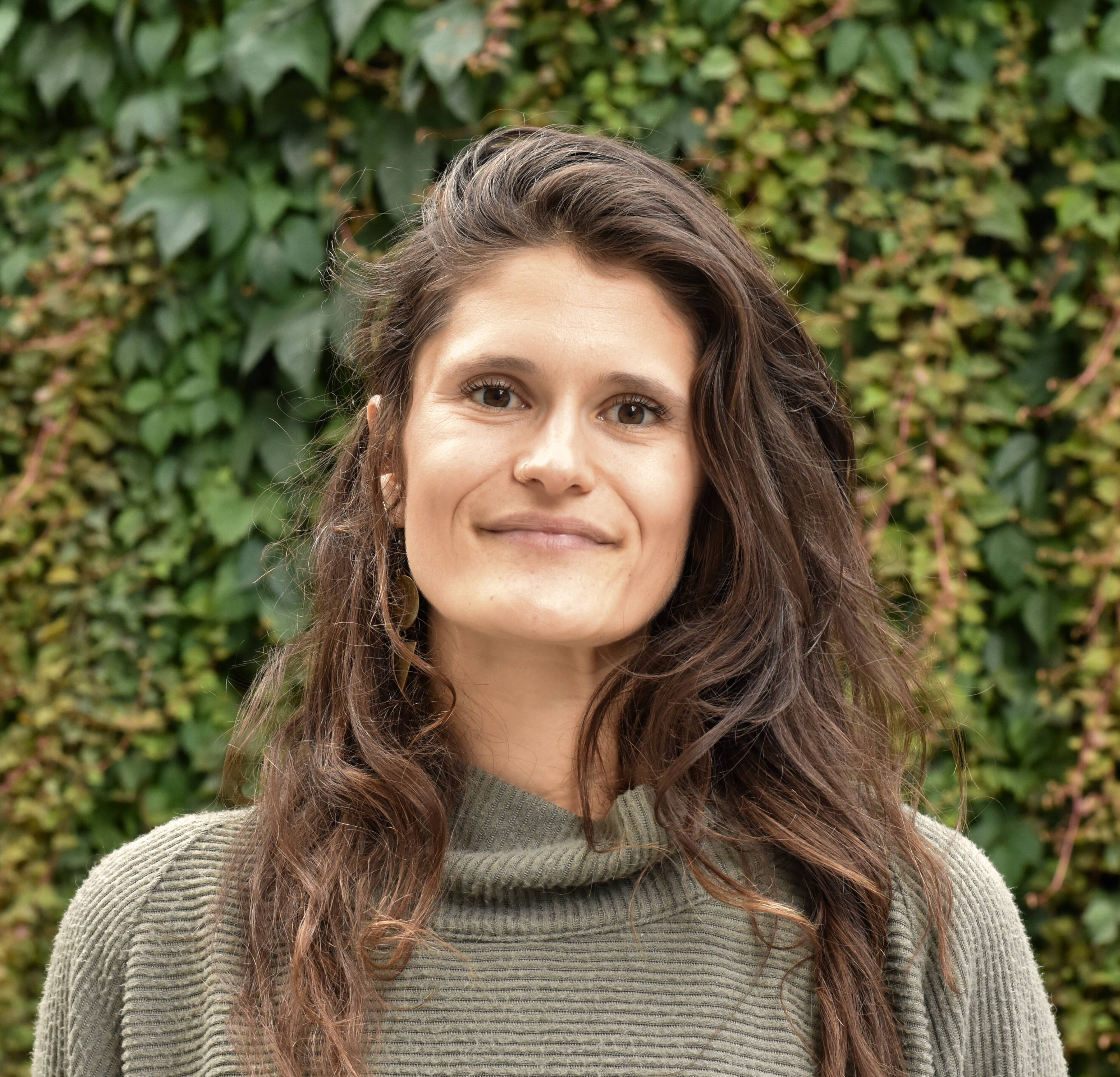
We are excited to welcome Aiko Chang to the CETI Team as a Summer Research Intern. Aiko is a Wellesley College student double majoring in Geoscience and Philosophy with an interest in the intersections between geo/environmental science, law, and policy. They will be working with CETI Research Fellow and Wellesley College Assistant Professor Mariah Caballero on a project with CETI this summer examining data centers in the Northwest and how insights from local and state stakeholders could inform broader conversations about rural energy justice in the United States.
Washington released its Comprehensive Climate Action Plan (CCAP) in April. This nearly 400-page document represents nearly two years of effort and was developed by the Washington State Departments of Commerce and Ecology, with extensive input from Tribes, communities, workers, businesses, subject matter experts and others. This month, Eileen offers a high-level overview of the plan.
If not, you may want to join our friends over at the Northwest Energy Coalition’s upcoming webinar, “What you need to know about the 9th Northwest Regional Power Plan” on Tuesday, June 9 from 10:00-11:30am PT. NW Energy Coalition Senior Policy Associate Fred Heutte and Regional and State Policy Director Zach Baker will be presenting on why this plan is so important and you can get involved in shaping its development. You can register here.
If you want to receive updates from CETI straight to your inbox, subscribe here.


.jpeg)

.jpeg)