With summer in full swing, CETI is slowing its pace a bit to have as much time as possible out and about in this beautiful region we work so hard to protect against the worst impacts of climate change.
We started the month with an excellent webinar on the SCALE 2030 Roadmap. We had a terrific discussion with the group that joined us, and the link to the proceedings is below.
We have also been keying into the Northwest Power and Conservation Council’s Ninth Power Plan, and particularly the options for a cost-effective resource strategy. The Council may approve a draft of the Ninth Plan at the July 14-15 meeting in Portland, and if that happens, it will kick off a public comment period and hearing process. The process and materials produced to date for the plan can be found here.
Jeanne Currie and I completed a draft of our Washington Transmission Assessment Brief. We aim to finalize it next month after we receive input from our reviewers.
Aiko Chang, a summer intern working with CETI Research Fellow Mariah Caballero, is exploring data center development in the Northwest and how Oregon’s Protecting Oregonians With Energy Responsibility (POWER Act), which passed in June 2025 and is designed to regulate data center energy and water demands, might impact that development.
Last, but definitely not least, the CETI team thanks the Sustainable Path Foundation for its generous $20,000 grant in support of our SCALE 2030 project. Sustainable Path has supported CETI year after year without fail since 2021. I deeply appreciate this consistent and significant support.
I hope you are enjoying these long summer days,
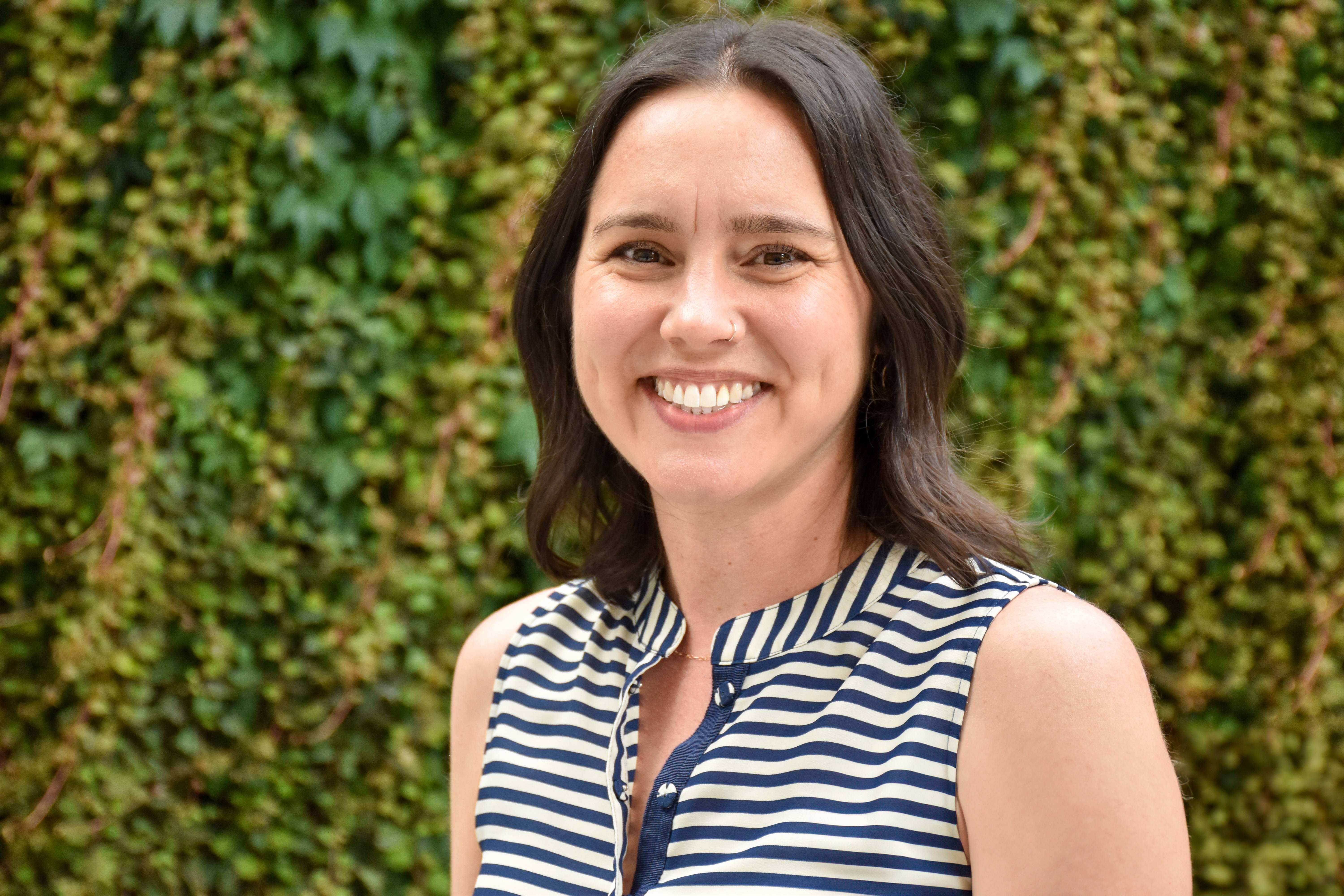
Eileen V. Quigley
Executive Director
Stemming from the Oregon Energy Strategy, Executive Order 25-29 directs the Oregon Department of Energy to report on opportunities to increase the efficiency of siting and permitting processes for large-scale energy projects in the state. Where opportunities exist, ODOE will recommend strategies to facilitate development while avoiding, minimizing, and mitigating negative effects on energy burden, natural and working lands, Tribal cultural resources, and communities.
ODOE is seeking public comment on a draft of the Report on Siting and Permitting Large-Scale Electricity Infrastructure. Written comments are due by 5 p.m. on Friday, July 24, 2026. The final report will be submitted to the Governor by September 1, 2026.
CETI kicked off June with a webinar diving deep in the SCALE 2030: Clean Buildings Roadmap for Washington. CETI Research Analyst Jeanne Currie and 2050 Institute Founder Poppy Storm walked through the levers and actions that the Roadmap identifies as critical to scaling building decarbonization in Washington and demonstrated how to navigate the SCALE 2030 website. You can check out the slides and recording here.
We are excited to announce that we have rescheduled the first webinar in our ‘Buildings Don’t Decarbonize Themselves, People Do’ series for Tuesday, July 21 from 11:30am-12:30pm PT.
This first webinar, ‘Human Insights 101: What do the behavioral and social sciences have to do with building decarbonization?,’ will provide a broad view of behavioral science theories and methods and how they are relevant to building decarbonization. It will also dig into residential electrification decision making and how behavioral science can enhance electrification efforts across the customer journey.
CETI Research Director Dr. Stacia Dreyer will moderate the discussion with presentations from Dr. Reuven Sussman (Director of the Behavior, Health and Human Dimensions Program - ACEEE) and Dr. Beth Karlin (Founder and CEO - See Change Institute).
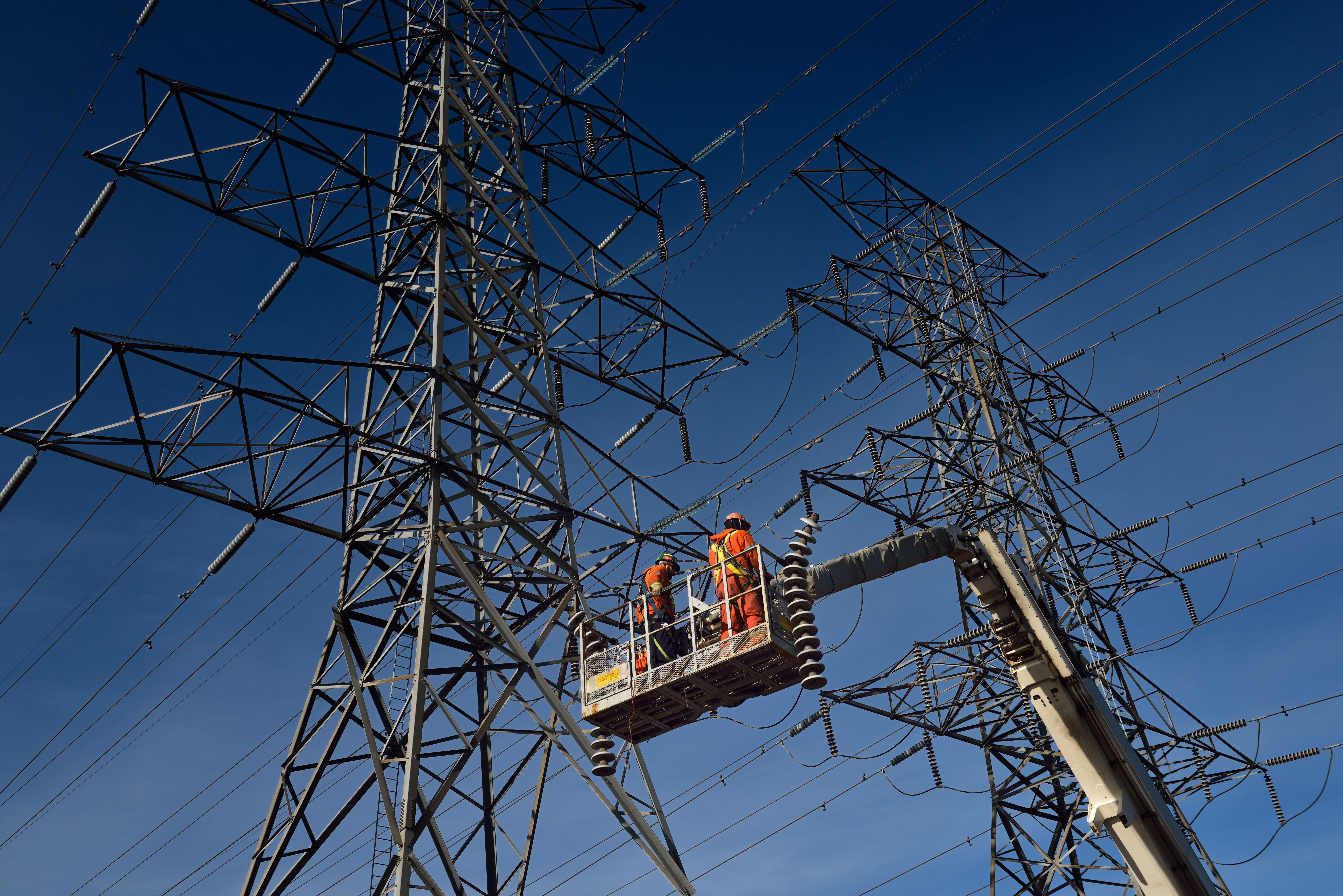
Advanced transmission technologies can increase transmission line capacity to carry more electricity, improve reliability, and reduce system congestion. In this month’s Demystifying Decarbonization installment, Eileen V. Quigley explains the benefits of different advanced transmission technologies, including Grid-Enhancing Technologies, Advanced/High-Performance Conductors, and others. Give it a read to learn more.
On June 9, the Northwest Energy Coalition hosted the first of two webinars on the 9th Northwest Power Plan. The webinar explained the planning process that the Northwest Power and Conservation Council undertakes to update its 20-year plan every five years and how to get involved to provide feedback. Check out the recording here and stay tuned for the next session.
PNW Climate Week returns on July 13-19, gathering the regional climate ecosystem of innovators, builders, and advocates to examine climate innovation and capital; sustainable industry; nature, food, and biodiversity; environmental justice, and more.
If you want to receive updates from CETI straight to your inbox, subscribe here.



.jpeg)