

Washington state is at a pivotal moment in its clean buildings transition. To meet the state's greenhouse gas emissions targets by 2050, the building sector must dramatically scale up efforts to achieve equitable clean building at pace by 2030. Accelerating the pace of change will require a radical shift in the way buildings are built and retrofitted, and how their emissions are accounted for.
SCALE 2030 is a Clean Energy Transition Institute (CETI) and 2050 Institute project that builds upon our Operation 2030 work. It aims to shift Washington from a building decarbonization approach focused on incremental energy efficiency and emissions reductions to a systemic framework that will enable rapid market transformation.
SCALE 2030 Initiatives and Resources




Related Posts
%20(1).jpeg)
CETI Research Analyst Jeanne Currie and 2050 Institute Founder Poppy Storm walk through the levers and actions that the SCALE 2030: Clean Buildings Roadmap identifies as critical to scaling building decarbonization in Washington.

.jpeg)
The SCALE 2030 Roadmap charts a path for decarbonizing buildings and positions them as strategic assets for the grid and Washington's economic vitality.

%20(1).jpeg)
The Clean Energy Transition Institute and 2050 Institute are excited to share our SCALE 2030: Clean Buildings Roadmap for Washington.
.jpg)
Rapid Market Transformation identifies the technologies required to transition the building sector and implements strategies to ensure that building owners and tenants in Washington can access these technologies easily at cost-competitive price points.

Jeanne presented SCALE 2030 key findings at the 2025 Green Building Slam.
%20(3).jpeg)
A coordinated approach focused on building performance in policy, programs, and tracking can support Washington’s energy, equity, and climate goals.
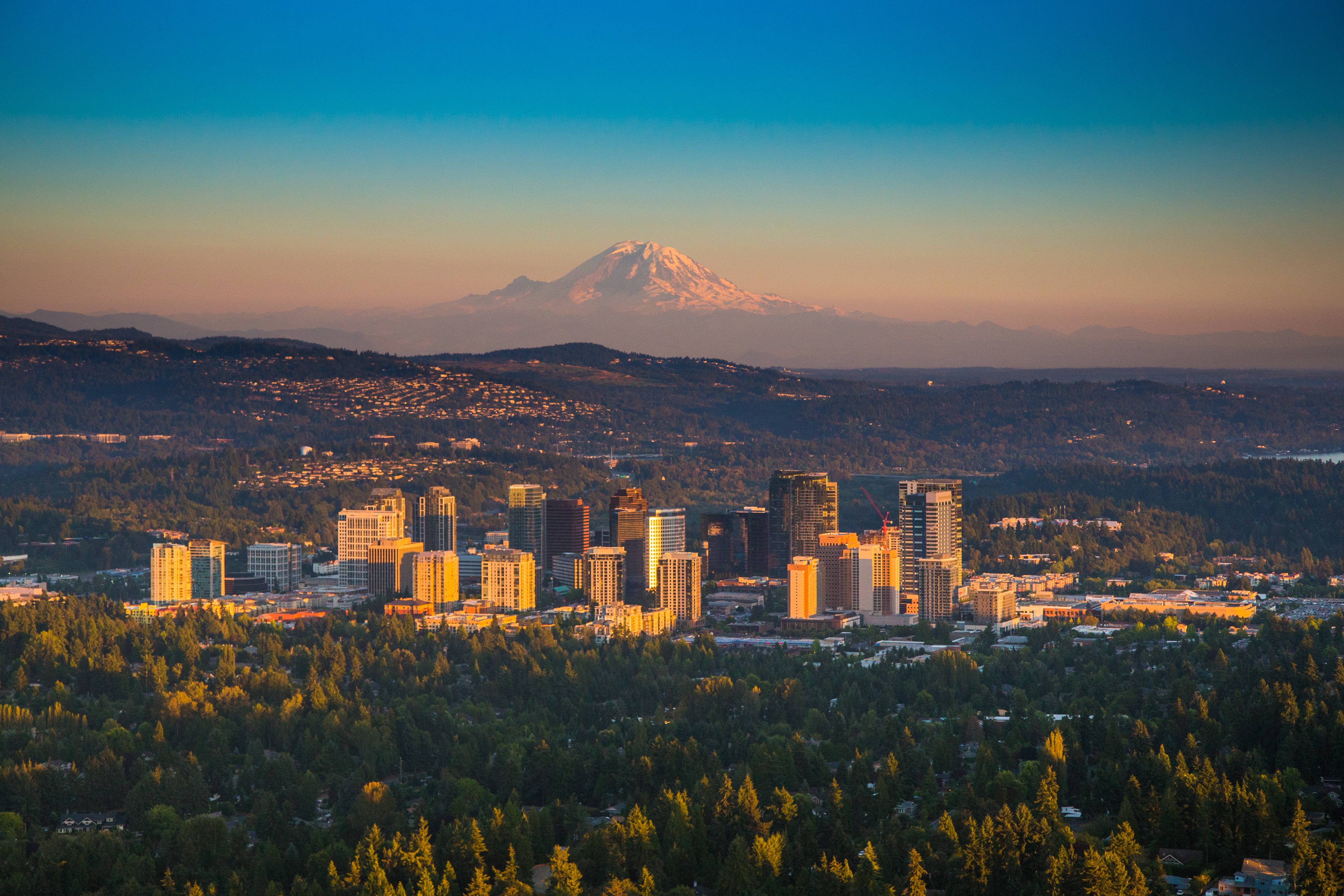
Jeanne Currie and Poppy Storm present an overview of SCALE 2030 to the Bellevue 2030 District.
.jpeg)
A regional approach to clean buildings could be a powerful tool for scaling up Washington’s transition while maximizing positive impact to communities.
%20(1).jpeg)
This publication shares key insights from our SCALE 2023: Clean Buildings Ecosystem Assessment for Washington and SCALE 2030: Clean Buildings Transition Framework for Washington papers.
%20(1).jpeg)
Poppy Storm and Jeanne Currie presented key insights from SCALE 2030: Clean Buildings Ecosystem Assessment for Washington and SCALE 2030: Clean Buildings Transition Framework for Washington.
%20(1).jpeg)
CETI is focused on what needs to be done in our region by 2030, gleaning all that we have learned from our Net-Zero Northwest analysis, as well as the projects we have been fortunate to work on with the Oregon and Washington state agencies that are writing policies and developing programs to create an equitable clean energy economy in their respective states.

.jpeg)
CETI and 2050 Institute release the first two papers of the SCALE 2030 project to accelerate building decarbonization in Washington.
.jpeg)
Two SCALE 2030 papers explore how to strategically accelerate an equitable clean buildings transition in Washington.
%20(1).jpg)
A sneak-peak of key insights from our SCALE 2030: Clean Buildingss Ecosystem Assessment report, which examines Washington’s current building stock, energy use, and emissions.
%20(2)%20(1).jpg)
This month, Eileen explains why decarbonizing buildings is so important to hit Washington’s emissions reduction goals and how SCALE 2030 aims to produce an analytical roadmap to drive the systemic changes needed for the state’s building sector ecosystem to deliver a rapid ramp-up of electrification by 2030.

