
Washington has some of the nation’s strongest climate laws, including statutory limits requiring emissions reductions of 95% below 1990 levels by 2050. But targets do not reduce emissions.
With the Comprehensive Climate Action Plan (CCAP), released on April 22, 2026, the state has advanced the Washington 2021 State Energy Strategy with an economy-wide roadmap that translates its ambitious climate targets into an actionable implementation framework.
Washington’s Departments of Commerce and Ecology developed the CCAP with federal funding from the Biden-era Inflation Reduction Act’s Climate Pollution Reduction Grant program.
The CCAP identifies specific strategies, sectors, investments, and partnerships needed to achieve Washington’s climate ambitions for all major emissions sectors and includes equity/community benefit analysis and workforce analysis.
The plan integrates existing policies, such as the Climate Commitment Act, the Clean Energy Transformation Act, the Clean Fuels Standard, the Building Performance Standard, and several others, across the sectors that the plan covers; electricity, transportation, buildings, industry, agriculture, natural and working lands, and waste/materials.
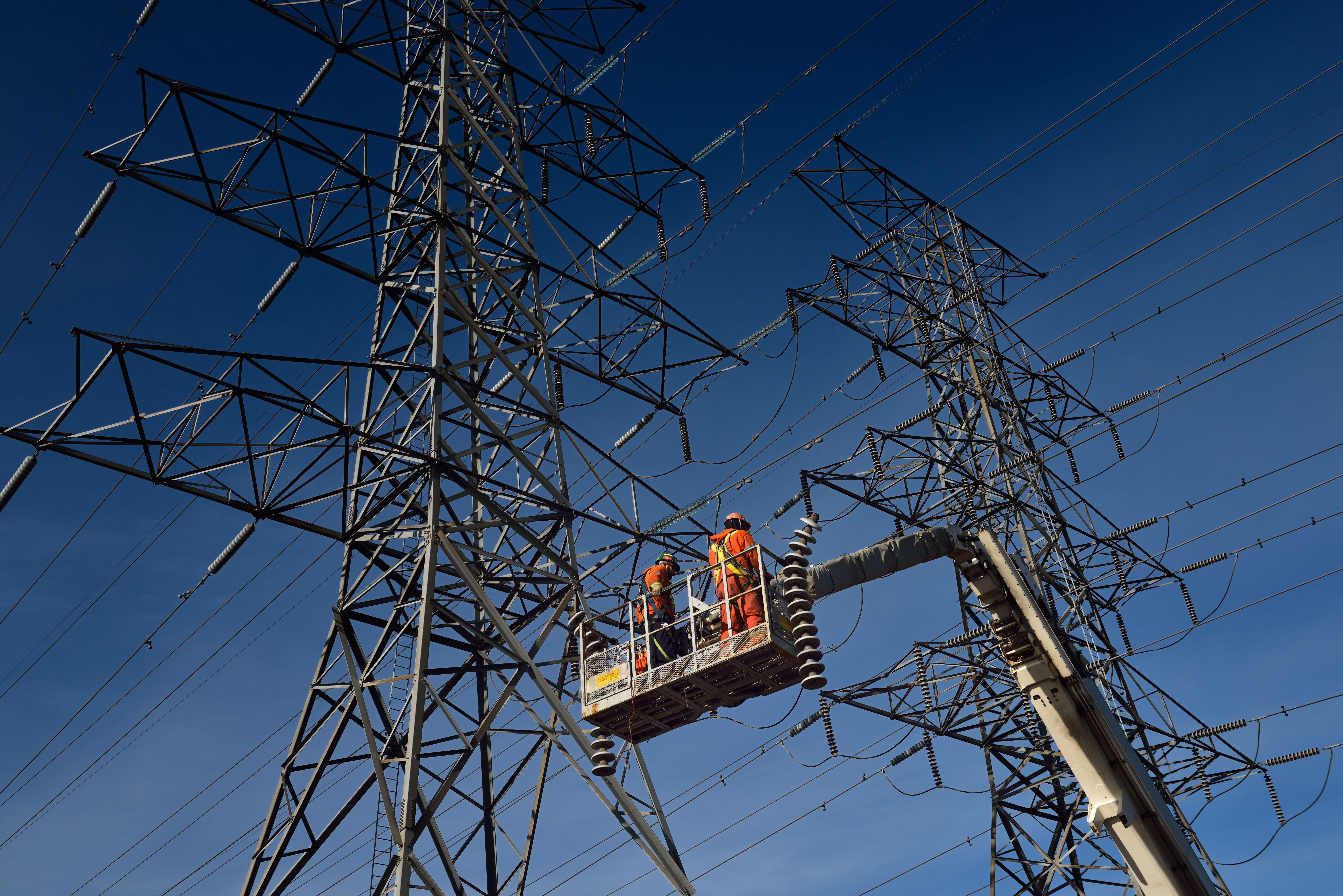
Washington cannot electrify transportation, buildings, and industry without dramatically expanding clean power and grid infrastructure, which means upgrading transmission and modernizing the electricity grid; deploying renewable energy; adding significant amounts of energy storage; and maintaining resource adequacy and reliability.
The transportation sector produces the most emissions in Washington. Hence, it requires a significant overhaul, which includes massive adoption of electric vehicles for multiple uses and the supporting charging infrastructure; public transit and a reduction on vehicle miles traveled, as well as decarbonizing long-haul trucking, freight, marine, and aviation.
Buildings produce the second most emissions in Washington, so provide a rich opportunity for innovation with heat pump distribution for both residential and commercial buildings, which serve a dual purpose because heat pumps swap increasingly clean electricity for fossil fuels as the heat source and are also inherently far more efficient than fossil fuel-based equipment. Deep efficiency retrofits are also a key part of the solution, which will lower energy bills, increase the comfort of people’s homes, and improve indoor air quality.
The CCAP recognizes that decarbonization must support and not undermine economic competitiveness and workforce development for its major industrial sectors: aerospace, maritime, agriculture, fuel refineries, and manufacturing.
The CCAP emphasizes the potential for forests, farms, and ecosystems to contribute to the state’s climate strategy given their potential for carbon sequestration and addresses the need for wildfire resilience, soil health, and forest management.
Washington faces challenges in attaining its ambitious emission reduction targets and in coordinating agencies, utilities, businesses, and communities to implement the CCAP’s strategies at the scale and speed required to meet the state’s statutory limits.
Uncertain federal policy and funding exacerbate the state’s ability to build the capacity to implement, and Washington, like the rest of the country, is facing an affordability crisis at precisely the time that it must invest significant capital to shift from fossil to clean energy.
The CCAP acknowledges that the clean energy transition now depends on solving deployment challenges—transmission, siting, permitting, aging electricity infrastructure, workforce shortages, industrial competitiveness, affordability, and local capacity.
The CCAP cannot solve these challenges, but it offers an integrated framework, and a starting point for the next phase of implementation. The success of Washington’s climate strategy will ultimately depend not only on how quickly the state reduces emissions, but whether it can do so while maintaining affordability, reliability, and broad public support.
If you want to receive updates from CETI straight to your inbox, subscribe here.


%20(1).jpeg)


%20(1).jpeg)