The Missing Element in Building Decarbonization

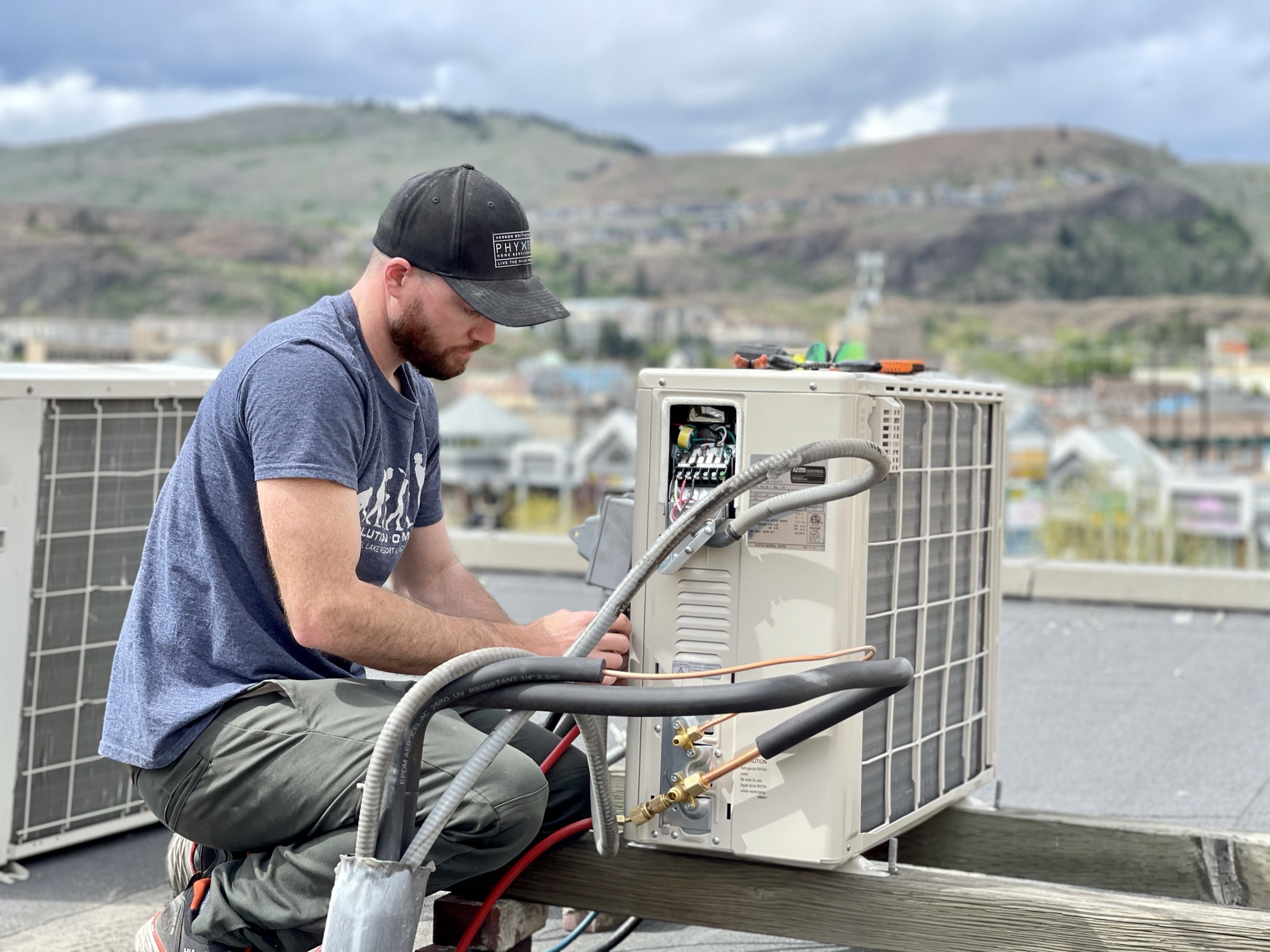
Let’s start off with a thought exercise: When you think about building decarbonization–the process of reducing greenhouse gas emissions related to buildings–what comes to mind? Perhaps heat pumps; codes and standards; utility programs; or residential and commercial space. But what about us? The people, the occupants, the actual human beings who use the energy that causes the emissions and who can be part of the solution? I call this the missing human element.

Building decarbonization grew out of the need to address climate change by reducing emissions. Climate change is, in fact, a problem of human behavior. Attempting to address climate change, and more specifically building decarbonization, without thinking about the human element severely impacts our ability to make progress.

This is why the social and behavioral sciences are essential to achieving building decarbonization goals. Social and behavioral scientists work in the energy and climate spaces as civil servants, practitioners, academics, and consultants. However, in most cases, the building sector has been slow to bring these scientists onboard to help achieve building decarbonization, missing the opportunity to take advantage of these key contributors and their expertise.

Barriers and Solutions

Residential and commercial buildings account for approximately 26% of Washington state’s emissions. To meet Washington’s greenhouse gas emissions targets by 2050, the building sector must dramatically scale up efforts to achieve equitable clean buildings by 2030.

Technological solutions to decrease emissions in buildings exist but their adoption in the residential and commercial space depends on behavioral and social drivers. Social and behavioral scientists study these drivers, barriers, and solutions. Their work explores questions like: How do individuals make decisions about end-of-life technology replacements? How do households and businesses respond to various decarbonization and efficiency incentives available to them? How are barriers to embracing low-carbon solutions overcome?

In a recent Nature Communications article, environmental sociologist Dr. Erin Heinz and co-authors highlight why an interdisciplinary lens is needed for addressing decarbonization challenges. They describe how different categories of barriers overlap and impede the adoption of decarbonization technologies based on a massive literature review.

The article identifies and categorizes 95 barriers as economic, political, social, behavioral, and technical. Behavioral barriers center around lack of awareness of decarbonization practices and risk aversion to materials or practices that are unconventional or unfamiliar. The review is international in scope, but their analysis also identifies insights specific to the U.S.

Another illustrative article published in Energy Research and Social Science highlights results from a comparative analysis of U.S. households and construction professionals. The research identifies substantial barriers to decarbonization that stem from misalignment in how construction professionals and household occupants perceive factors related to household decarbonization.

The researchers note that households are more likely to report that the following factors are important to them, compared to how important construction professionals perceive them to be for their clients’ households: resilience to extreme weather, addressing existing building problems within the household, and making homes sustainable are important. The authors suggest that there are opportunities for the building industry to make building decarbonization more appealing through better alignment with household issues, concerns, and needs.

Methods and Programs

Social and behavioral scientists have many tools in their methodological toolbox to understand barriers and create solutions. Some are commonly known, such as systematic literature reviews, surveys, in-depth interviews, experiments/randomized-control trials (RCTs), and field research.

One lesser used approach that holds promise for building decarbonization are multi-sector community interventions. This type of research is less common because it is costly to undertake a community-wide intervention and experimental evaluation. However, there is the possibility to create synergistic effects as changes in one sector (for example decarbonizing schools) can influence other related sectors (households). Multi-sector community interventions have been used in other domains such as public health, for example in prevention of adolescent tobacco use and youth delinquency.

Existing Efforts

There are already a few places where building decarbonization aligns with the social and behavioral sciences through research and practice. The American Council for a Clean Energy Economy (ACEEE) Behavior and Human Dimensions of Energy Use Program conducts research and outreach in this area. In 2024, this ACEEE program published a report about marketing and promoting electrification using behavioral science and now offer BEAR Hub, which offers no-cost behavioral science assistance for a wide range of clean energy challenges including building decarbonization.

The Behavior, Energy, and Climate Change (BECC) conference brings many social and behavioral scientists together with others working in the building decarbonization space, such as practitioners, program administrators, and energy service providers. The 2025 conference included multiple building decarbonization related sessions. ACEEE, California Institute for Energy and Environment (CIEE) within the Center for Information Technology Research in the Interest of Society at University of California Berkeley, and the Stanford University Environmental and Energy Policy Analysis Center (SEEPAC) convene the BECC conference.

Behavioral and Social Sciences in Building Decarbonization at CETI

SCALE 2030 (a collaborative project between the Clean Energy Transition Institute (CETI) and 2050 Institute) envisions a world where buildings are the backbone of a flexible, resilient grid and are highly efficient, electrified, and zero-emissions. We will not achieve that unless we center humans in our approach to building decarbonization.

CETI is hosting a webinar series titled "Buildings Don’t Decarbonize Themselves, People Do.” The webinar series will highlight how the social and behavioral sciences are essential to achieving building decarbonization goals by providing real, on-the-ground examples of ways that social and behavioral insights can be used to address the complexities of building decarbonization. Through this series we hope to:

  • Raise awareness of the important role that the behavioral and social sciences can play in accelerating building decarbonization for those not familiar with these disciplines
  • Share research and practical strategies for increasing adoption of clean building technologies
  • Outline common barriers and avoidable mistakes related to human behavior and building decarbonization
  • Identify lessons Washington can learn from progress made in other states

The first webinar in this series is titled “Human Insights 101: What do the behavioral and social sciences have to do with building decarbonization” and will include presentations from Dr. Reuven Sussman (Director of the Behavior, Health and Human Dimensions Program - ACEEE) and Dr. Beth Karlin (Founder and CEO - See Change Institute).

The second webinar is titled, “Heat Pumps and Humans: How to make heat pumps the easy choice.” Stay tuned for the announcement of confirmed date and presenters.

You can register for the first webinar here and sign up for our newsletter to be informed of the second session in the series.

In closing, the next time you think about building decarbonization, don’t forget to think about yourself, your friends, your family, and how they interact within the built environment. Humans should not be the missing element in building decarbonization.


If you want to receive updates from CETI straight to your inbox, subscribe here.

Open in new

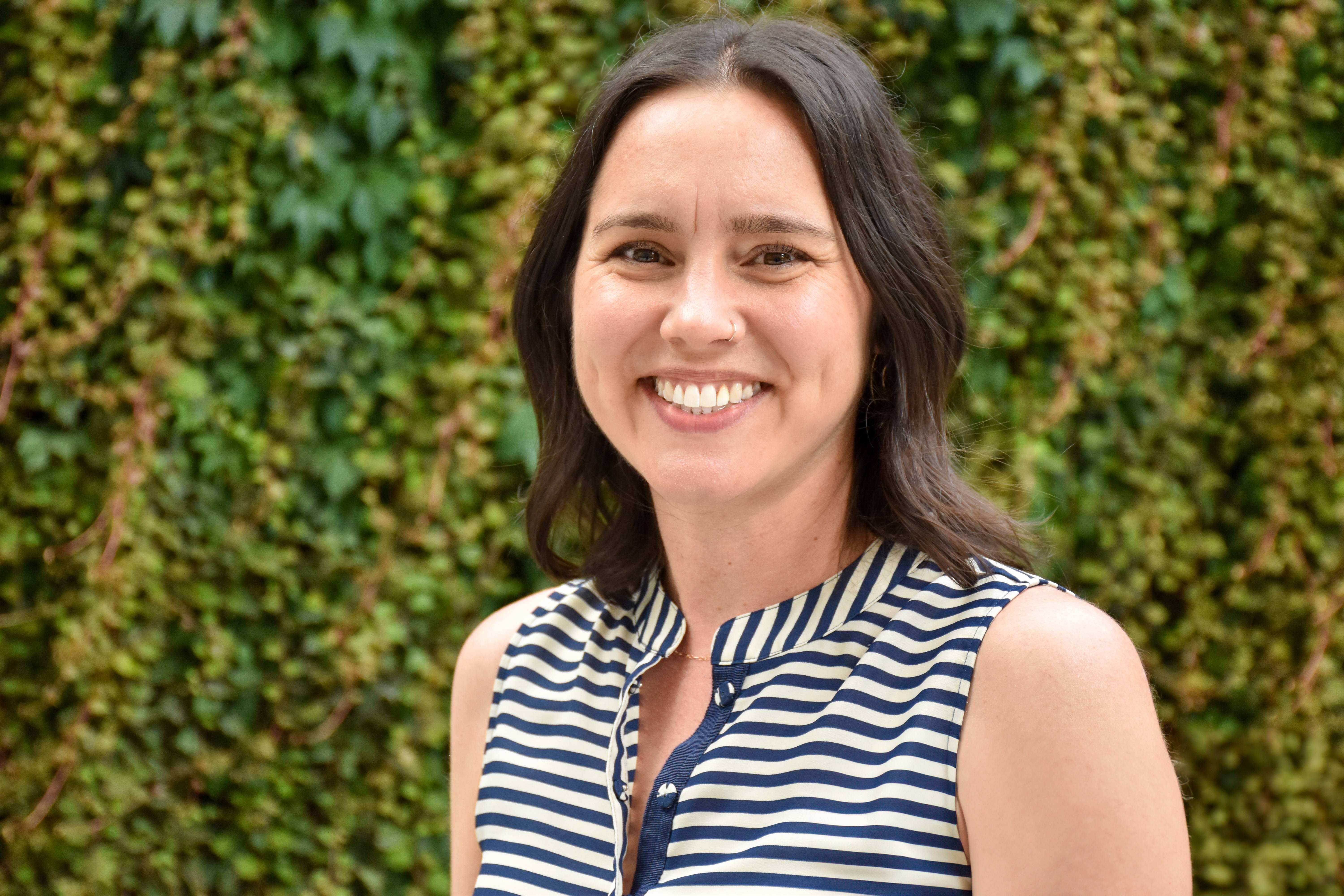
Stacia Dreyer, PhD

Research Director
Dr. Stacia Dreyer joined as CETI’s Research Director in March 2025. She is a social and behavioral scientist with expertise spanning private, public, and nonprofit organizations, and her research focuses primarily on energy, sustainability, and environmental justice. She brings over 15 years of research and project administration experience analyzing and synthesizing insights from quantitative and qualitative datasets; communicating analysis in accessible presentations, reports, and peer-reviewed publications; managing timelines, budgets, and meetings; and mentoring junior researchers.
FULL BIO & OTHER POSTS

The Missing Element in Building Decarbonization

Let’s start off with a thought exercise: When you think about building decarbonization–the process of reducing greenhouse gas emissions related to buildings–what comes to mind? Perhaps heat pumps; codes and standards; utility programs; or residential and commercial space. But what about us? The people, the occupants, the actual human beings who use the energy that causes the emissions and who can be part of the solution? I call this the missing human element.

Building decarbonization grew out of the need to address climate change by reducing emissions. Climate change is, in fact, a problem of human behavior. Attempting to address climate change, and more specifically building decarbonization, without thinking about the human element severely impacts our ability to make progress.

This is why the social and behavioral sciences are essential to achieving building decarbonization goals. Social and behavioral scientists work in the energy and climate spaces as civil servants, practitioners, academics, and consultants. However, in most cases, the building sector has been slow to bring these scientists onboard to help achieve building decarbonization, missing the opportunity to take advantage of these key contributors and their expertise.

Barriers and Solutions

Residential and commercial buildings account for approximately 26% of Washington state’s emissions. To meet Washington’s greenhouse gas emissions targets by 2050, the building sector must dramatically scale up efforts to achieve equitable clean buildings by 2030.

Technological solutions to decrease emissions in buildings exist but their adoption in the residential and commercial space depends on behavioral and social drivers. Social and behavioral scientists study these drivers, barriers, and solutions. Their work explores questions like: How do individuals make decisions about end-of-life technology replacements? How do households and businesses respond to various decarbonization and efficiency incentives available to them? How are barriers to embracing low-carbon solutions overcome?

In a recent Nature Communications article, environmental sociologist Dr. Erin Heinz and co-authors highlight why an interdisciplinary lens is needed for addressing decarbonization challenges. They describe how different categories of barriers overlap and impede the adoption of decarbonization technologies based on a massive literature review.

The article identifies and categorizes 95 barriers as economic, political, social, behavioral, and technical. Behavioral barriers center around lack of awareness of decarbonization practices and risk aversion to materials or practices that are unconventional or unfamiliar. The review is international in scope, but their analysis also identifies insights specific to the U.S.

Another illustrative article published in Energy Research and Social Science highlights results from a comparative analysis of U.S. households and construction professionals. The research identifies substantial barriers to decarbonization that stem from misalignment in how construction professionals and household occupants perceive factors related to household decarbonization.

The researchers note that households are more likely to report that the following factors are important to them, compared to how important construction professionals perceive them to be for their clients’ households: resilience to extreme weather, addressing existing building problems within the household, and making homes sustainable are important. The authors suggest that there are opportunities for the building industry to make building decarbonization more appealing through better alignment with household issues, concerns, and needs.

Methods and Programs

Social and behavioral scientists have many tools in their methodological toolbox to understand barriers and create solutions. Some are commonly known, such as systematic literature reviews, surveys, in-depth interviews, experiments/randomized-control trials (RCTs), and field research.

One lesser used approach that holds promise for building decarbonization are multi-sector community interventions. This type of research is less common because it is costly to undertake a community-wide intervention and experimental evaluation. However, there is the possibility to create synergistic effects as changes in one sector (for example decarbonizing schools) can influence other related sectors (households). Multi-sector community interventions have been used in other domains such as public health, for example in prevention of adolescent tobacco use and youth delinquency.

Existing Efforts

There are already a few places where building decarbonization aligns with the social and behavioral sciences through research and practice. The American Council for a Clean Energy Economy (ACEEE) Behavior and Human Dimensions of Energy Use Program conducts research and outreach in this area. In 2024, this ACEEE program published a report about marketing and promoting electrification using behavioral science and now offer BEAR Hub, which offers no-cost behavioral science assistance for a wide range of clean energy challenges including building decarbonization.

The Behavior, Energy, and Climate Change (BECC) conference brings many social and behavioral scientists together with others working in the building decarbonization space, such as practitioners, program administrators, and energy service providers. The 2025 conference included multiple building decarbonization related sessions. ACEEE, California Institute for Energy and Environment (CIEE) within the Center for Information Technology Research in the Interest of Society at University of California Berkeley, and the Stanford University Environmental and Energy Policy Analysis Center (SEEPAC) convene the BECC conference.

Behavioral and Social Sciences in Building Decarbonization at CETI

SCALE 2030 (a collaborative project between the Clean Energy Transition Institute (CETI) and 2050 Institute) envisions a world where buildings are the backbone of a flexible, resilient grid and are highly efficient, electrified, and zero-emissions. We will not achieve that unless we center humans in our approach to building decarbonization.

CETI is hosting a webinar series titled "Buildings Don’t Decarbonize Themselves, People Do.” The webinar series will highlight how the social and behavioral sciences are essential to achieving building decarbonization goals by providing real, on-the-ground examples of ways that social and behavioral insights can be used to address the complexities of building decarbonization. Through this series we hope to:

  • Raise awareness of the important role that the behavioral and social sciences can play in accelerating building decarbonization for those not familiar with these disciplines
  • Share research and practical strategies for increasing adoption of clean building technologies
  • Outline common barriers and avoidable mistakes related to human behavior and building decarbonization
  • Identify lessons Washington can learn from progress made in other states

The first webinar in this series is titled “Human Insights 101: What do the behavioral and social sciences have to do with building decarbonization” and will include presentations from Dr. Reuven Sussman (Director of the Behavior, Health and Human Dimensions Program - ACEEE) and Dr. Beth Karlin (Founder and CEO - See Change Institute).

The second webinar is titled, “Heat Pumps and Humans: How to make heat pumps the easy choice.” Stay tuned for the announcement of confirmed date and presenters.

You can register for the first webinar here and sign up for our newsletter to be informed of the second session in the series.

In closing, the next time you think about building decarbonization, don’t forget to think about yourself, your friends, your family, and how they interact within the built environment. Humans should not be the missing element in building decarbonization.


If you want to receive updates from CETI straight to your inbox, subscribe here.

Stacia Dreyer, PhD

Research Director
Dr. Stacia Dreyer joined as CETI’s Research Director in March 2025. She is a social and behavioral scientist with expertise spanning private, public, and nonprofit organizations, and her research focuses primarily on energy, sustainability, and environmental justice. She brings over 15 years of research and project administration experience analyzing and synthesizing insights from quantitative and qualitative datasets; communicating analysis in accessible presentations, reports, and peer-reviewed publications; managing timelines, budgets, and meetings; and mentoring junior researchers.
Full Bio & Other Posts

Get the latest updates from CETI directly to your inbox.

Related Posts