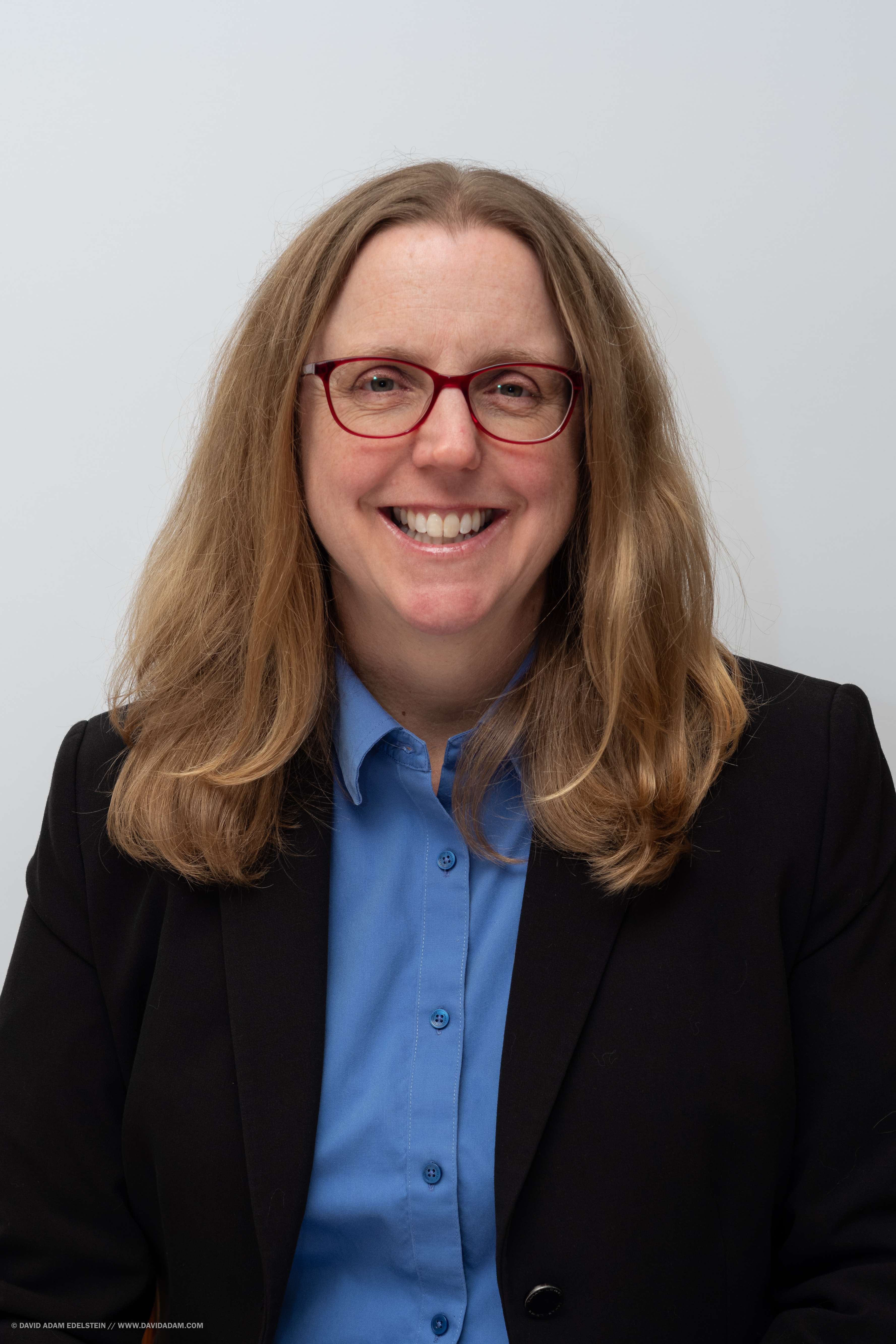
As I begin to settle in at CETI, I’m thinking about what an extraordinary time it is to work on the energy transition. Driven by the national conversation about energy prices, AI, and data centers, it’s now likely that the topic of energy and the grid comes up in dinner conversation with a family member or friend. That’s new!
The pace of change—in demand for electricity, public opinion, and the economics of clean energy—is remarkable. Related, we’re facing high levels of uncertainty as we look into our energy future. The error bars on energy forecasts and models are higher than one might wish! And all this change and uncertainty in the energy world is surrounded by even larger questions: how will AI shape our future, and how will the social and political infrastructure on which public policy is built and private capital moves evolve in the next few years?
In some sense, it’s overwhelming. But CETI is built for these times. In the current tumult, folks working on energy issues need thoughtful framing of what questions are most important to answer; solid information to help answer those questions; and candor about uncertainty and the ways in which public policy and private sector decisions will shape how it all turns out. Perhaps most importantly, people need forums to come together, grapple with complexity, and identify paths forward.
This month’s newsletter highlights the CETI team’s work to ask and answer important questions and to join and host forums that bring a diverse array of people together to learn from each other and identify paths forward. Transitioning buildings to clean energy and the critical need for expanded transmission are two focus areas.
We are also beginning discussions about CETI’s next chapter. That process includes continuing important work underway around clean buildings with the SCALE 2030 project, transmission, and our efforts to offer accessible information relevant to the transition, including through the Northwest Clean Energy Atlas. At the same time, we’re identifying new priorities for the year ahead; exploring development of a multi-year strategic plan; and discussing how we may evolve our strategies and offerings to meet the needs of this extraordinary time in the energy transition.
I look forward to many conversations this fall. If you’ve got hopes for CETI’s next chapter or specific areas where our research, analysis, and convening capabilities can be helpful in the near term, please reach out! The CETI team also will be attending and speaking at a variety of events in the next couple of months. We look forward to connecting with many of you and talking about how CETI can be the most valuable resource and partner. Please find us and say hello!
Becky Kelley
CETI Executive Director
As the team works on fundraising efforts and scoping for SCALE 2030 next steps, we are continuing to conduct outreach for the Roadmap, which charts a path for decarbonizing buildings in Washington. CETI is a sponsor of the Smart Buildings Center’s upcoming Smart Buildings Exchange, where we will be tabling and talking about SCALE 2030. We also continue to support partner efforts that tie into the Roadmap, including Shift Zero’s legislative work on several Roadmap actions.
The research team updated CETI’s Northwest Clean Energy Atlas visualization, Oregon and Washington Natural Gas Utilities, to reflect the most recently available natural gas sales data and to add historical data from 1997 to 2024. Read the visualization’s description for historical context and key takeaways about natural gas utility sales volume; revenue; and residential, commercial, and industrial customers.
CETI’s webinar series Buildings Don't Decarbonize Themselves, People Do, highlighting the importance of the social and behavioral sciences to building decarbonization, continued last month with The Human Side of Heat Pumps: Behavioral Insights for Customers and Contractors, which explored the heat pump journey from the perspective of a customer and a contractor. This second webinar featured presentations from Dr. Sarah Outcault (UC Davis Energy and Efficiency Institute and Western Cooling Efficiency Center) and Dr. Jen Loomis (Resource Innovations/California Market Transformation Administrator), with a discussion moderated by CETI Research Director Dr. Stacia Dreyer. Presenters answered four core questions from both contractor and customer perspectives based on social and behavioral science research: 1) What are heat pumps and why should I care?; 2) Will they work in my/this home?; 3) What will it cost/how much should I charge?; and 4) How do I get one?
The first webinar in the series, Human Insights 101: What do behavioral and social sciences have to do with building decarbonization?, provided a broad view of behavioral and social science theories and methods and how they are relevant to building decarbonization.
This webinar series is connected to a larger body of CETI work on building decarbonization, which includes SCALE 2030, mentioned above. SCALE 2030 is a CETI and 2050 Institute project that aims to shift Washington from a building decarbonization approach focused on incremental energy efficiency and emissions reductions to a systemic framework that will enable rapid market transformation. Market transformation is all about removing barriers and changing decision-making, so if you liked the webinar we think you'll like our SCALE 2030 project too! Learn more about that work here.
CETI’s upcoming decarbonization forum, 'Washington Transmission: Why, How and for Whom?,' taking place the afternoon of November 19th in Seattle, is designed to educate and engage policymakers, regulators, businesspeople, and clean energy advocates on the WestTEC process and results, the newly formed Washington Electric Transmission Authority (WETA), and emerging developments including The Western Transmission Consortium (TWTC). The forum will explore these efforts as tools to accelerate transmission expansion, as well as discuss the key transmission considerations that need to be addressed to benefit Washington’s economy and entire population.
The event will begin with WestTEC, WETA, and TWTC presentations to set the scene, followed by a panel discussion with diverse perspectives and expertise on how these three initiatives can successfully accelerate a thoughtful build-out of transmission.
Stay tuned next month for event details and RSVP information!
Data scientist and writer Hannah Ritchie, in collaboration with the Institute for Progress, recently launched US Energy Data, a free platform for exploring the numbers behind U.S. energy. The platform provides three ways to explore data – by topic, state, and specific metric – across time.
This platform offers a wealth of visualizations and tools, including the ability to compare custom selections of states, layer different energy metrics, and compare against broader US. trends. It covers five key topics: Prices & Bills, Electricity Demand, Electricity Generation, Hydrocarbons & Biofuels, and Reliability & Outages. We love how it makes complex data approachable to inform discussion and decision-making on energy in the US.
Some topics we found especially exciting:
CETI recently completed a Washington transmission assessment brief with funding from the Stolte Family Foundation. The brief compiles existing information about Washington’s transmission landscape into one resource. This month, Research Analyst Jeanne Currie extracted key takeaways from the brief in a Deep Dive, highlighting transmission priorities for Washington, barriers to development, emerging solutions, and progress underway.
Want to receive these updates straight to your inbox? Sign up for our mailing list.


No items found.